Creatine
For women over 50, a daily dose of 3 to 5 grams of creatine monohydrate is considered optimal for maintaining muscle mass, strength, and cognitive health. While 3g is sufficient for long-term maintenance, some studies suggest that 5-10g daily can be more beneficial for postmenopausal women to combat sarcopenia.
considered a non-essential dietary nutrient and an important nitrogen-containing compound. It is a derivative of amino acids—arginine, glycine, and methionine—synthesized by the liver, kidneys, and pancreas.
It is important to distinguish the naturally occurring compound creatine from “micronized” creatine, which refers to a manufacturing process that makes the powder particles 20 times smaller for faster dissolving and easier mixing
Creatine is often thought of as a “bodybuilder” supplement, but in the medical community, it is increasingly viewed as a metabolic and structural essential—especially for women. It plays a fascinating role in “locking” calcium into the bone while offering a unique, non-hormonal protective layer against breast cancer cells.
1. The Bone-Building “Battery”
Creatine’s primary job is to provide instant energy (ATP) to cells. It turns out that the bone-building cells (osteoblasts) are energy-hungry.
- Fueling the Builders: When you take creatine, you increase the energy available to your osteoblasts, allowing them to lay down more mineralized bone matrix.
- Inhibiting the Eaters: Research shows that creatine may help suppress osteoclasts (the cells that break down bone), helping to tilt the “bone turnover” balance back toward growth.
- The Muscle-Bone Link: This is the most important factor. Creatine helps maintain lean muscle mass. Muscles pull on the bones; that physical “pull” is the strongest signal the body has to keep bones dense.
2. The “Antioxidant Shield” for Breast Tissue
The relationship between creatine and cancer has been misunderstood in the past, but modern oncology is looking at it as a potential ally:
- Energy Buffering: Some studies suggest that creatine acts as a “cellular energy buffer,” reducing the oxidative stress that can damage DNA in breast tissue.
- The “T Cell” Boost: Recent 2019 research (from UCLA) found that creatine can act as a powerful “fuel” for T cells (your immune system’s cancer hunters), helping them find and eliminate tumor cells more effectively.
- Non-Hormonal: Unlike many “growth” supplements, creatine does not increase estrogen or IGF-1 levels. This makes it a very attractive bone-building tool for those worried about hormone-sensitive cancers.
3. The “Brain-Bone” Connection (Stress Management)
Creatine is also a nootropic (brain-booster).
- It has been shown to improve mood and reduce mental fatigue.
- It lowers stress = lower cortisol = less “leaching” of calcium from your bones.
How to Use Creatine on a Vegan/Meat-Free Diet
Since the primary natural sources of creatine are red meat and fish, vegans and vegetarians almost always have low creatine stores. This makes supplementation particularly effective for this group.
Vegan Protocol
- Type – Use Creatine Monohydrate (the most researched and usually vegan).
- Dosage – 3–5 grams daily. (Don’t need a “loading phase”).
- Timing – Take it with a “cellular” carb (like a piece of fruit) to spike insulin slightly—just enough to “drive” the creatine into the muscles and bones.
- Synergy – Take it right before or after the 10-minute loading routine (Heel drops/wall squats).
The “Hydration” Requirement
Creatine works by drawing water into your cells.
- The Bone Benefit: This “cellular swelling” is actually a signal that triggers protein synthesis and bone growth.
- The Rule: You must increase your water intake. If you are dehydrated, creatine can’t do its job, and you might experience minor cramping.
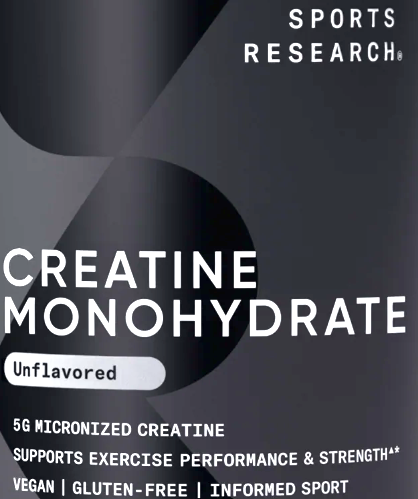
This is the supplement brand I use as an example (Vegan):
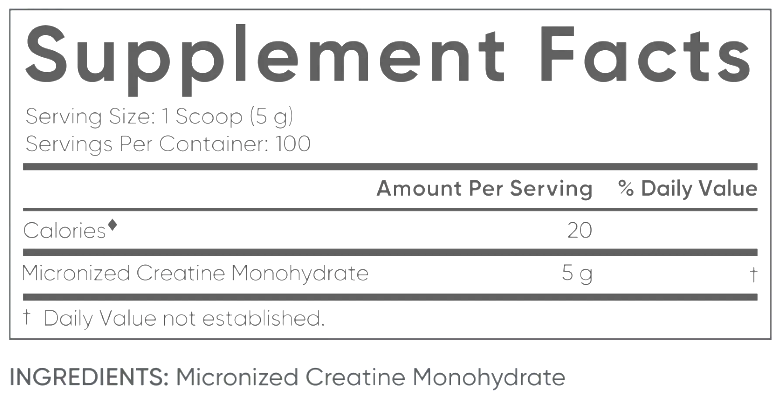
Sports Research, Micronized Creatine Monohydrate, Unflavored Powder
5 G MICRONIZED CREATINE