Set Weight Management Goals
Successful weight management takes a long-term commitment — build a healthy lifestyle you can stick with. Overall, don’t focus on how to lose weight fast. Ideally, follow a healthy lifestyle to lose weight — one that you can live with and be happy with for the long-term. Setting reasonable and manageable lifestyle goals means paying attention to what we have the most control over — our behaviors. Referred to as a SMART goal:
- Specific
- Measurable
- Attainable
- Relevant to the things that are most important to you
- Time-bound
Set goals to walk 30 minutes five times per week, include vegetables for dinner, stop eating after 7 p.m, and get plenty of sleep. These modest changes often lead to one to two pounds of weight loss per week. Weight loss is likely to taper off over time, and we’re less likely to get discouraged if we pay attention to the non-scale victories — like better sleep, more energy, and improved fitness.
Follow a Manageable Diet
The backbone of a healthy diet for weight loss is to eat more natural plant-based foods and fewer processed foods. That’s the basic tenet of the Mediterranean diet — largely considered to be the healthiest eating pattern. Eat plenty of protein from healthy sources to help build and repair muscle.
Fitness and Food Tracker
Obtain a pedometer, smartwatch (Fitbit), smartphone, or other types of fitness trackers may also serve the purpose of tracking your steps. Fitness and Food Tracker are available as mobile applications, physical journals, and wearable devices that sync your nutrition and activity data. Here is one popular example: Myfitnesspal it has the best for overall nutrition tracking due to its massive database. It’s a comprehensive food and fitness tracker – track it all.
Measurements for Ideal Health
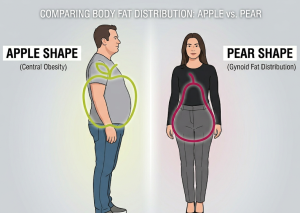
Ideal Health Measurements (Adults) are Body Mass Index (BMI), Waist-to-Hip Ratio (WHR), and Waist to Height Ratio (WHtR). These measurements help identify “central adiposity” (belly fat), which is more closely linked to the risk of metabolic and cardiovascular disease than total body weight alone. WHR and WHtR are superior to BMI for identifying health risks. Even if your BMI is normal, a high waist circumference can indicate increased health risks.
Central Obesity or Adiposity - abdominal or visceral fat wraps around vital organs and is more metabolically active than fat stored in the legs or hips, meaning it releases fatty acids and inflammatory agents directly into the blood, impacting the liver and heart.
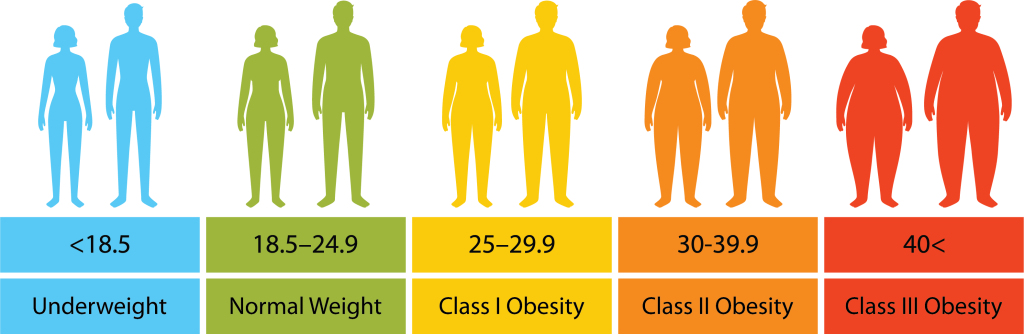
Body Mass Index
An ideal Body Mass Index (BMI) for adults is generally considered to be in the 18.5 to 24.9 range. This range indicates a healthy weight for a person’s height, reducing the risk of chronic diseases such as type 2 diabetes and heart disease. While this is the standard, some research suggests an optimal range of 20 to 22 for longevity.
While BMI is a useful screening tool, but it does not distinguish between muscle mass and fat mass—factors like bone density and muscle percentage can influence the total.
Based on World Health Organization (WHO) standards.
BMI Calculator
Waist-to-Hip Ratio
This calculator provides the Waist-to-Hip Ratio (WHR), which many health professionals consider a more accurate predictor of cardiovascular health because it measures fat distribution, focusing on central obesity.
Due to the biological differences of men naturally tend toward an "apple" shape, women tend toward a "pear" shape, the "High Risk" threshold is lower for women (0.85) than for men (1.00).
Based on World Health Organization (WHO) standards.
WHR Calculator
Waist-to-Height Ratio
The Waist-to-Height Ratio (WHtR) is a simple, gender-neutral, and effective measure of body fat distribution and central obesity, calculated by dividing your waist circumference by your height.
Rule of thumb - your waist should be less than half of your height.
While 0.5 is a general benchmark, some studies suggest optimal cutoffs for identifying metabolic risk are 0.52 for men and 0.54 for women.
Based on World Health Organization (WHO) standards.
WHtR Calculator
Quick Tips for Accuracy
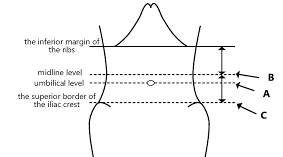
- Waist Measurement: do not pull the tape too tight. Stand straight, exhale naturally, and measure at the midpoint - "B" between the lower ribs and the top of the hip bone - "C", usually right above the navel - "A".
- Hips Measurement: hips should be measured at the widest point of the buttocks.
- Consistency: measure in the morning before eating for consistent data.
Protect your Heart, Reverse Chronic Illness, and Live Longer
"Insulin Doctor: The Fastest Way To Burn Dangerous Visceral Fat!" video of what you can do to protect your heart, reverse chronic illness, and live longer.
- Sugar turns toxic the second it hits the bloodstream
- The hidden link between breakfast and insulin resistance
- Poor sleep destroys gut microbiome and heart health
- Fasting flushes toxic fat from organs and arteries
Pradip Jamnadas, MD is an interventional cardiologist and founder of the Heart and Vascular Institute of Central Florida and of Aristotle Education, a prevention clinic focused on fasting, gut health, and metabolic longevity.
Medication for Weight-Loss
Weight is important for health and avoidance of disease. If you are struggling to keep weight off, especially after menopause, consider a GLP-1, such as Tirzepatide, brand name Zepbound®. It is a rather pricey medication and is usually not covered by insurance; compound versions are more inexpensive. This medication is a tool for weight-loss, a person still has to workout and maintain a healthy diet; but it has demonstrated significant efficacy in reducing body weight and improving glycemic control. Let me know if you want more info on this medication; I am very knowledgeable about it.