A healthful plant-based diet improves the health and diversity of your gut microbes, preventing and treating conditions like obesity, diabetes, heart disease, and inflammation associated with autoimmune diseases.
General Daily Guidelines
If you are not tracking calories, you can use these standard age-based recommendations:
Women (19–49): 25–28 grams/day
Men (19–49): 30–38 grams/day
Women (50+): 21 grams/day
Men (50+): 30 grams/day
Daily Fiber Calculator
How can I increase good bacteria in my gut?
1. Fill Up on Fiber.
High-fiber foods feed the healthy bacteria that improve immune function, reduce inflammation and chronic disease, and even help regulate mood. It is an essential nutrient to maintain regular bowel movements and keeps the cells that line your healthy digestive tract healthy. Since fiber is bulky and helps to keep contents moving smoothly through your system, this reduces any contact that your cells would have with potential toxins. In addition, fiber acts as fuel for our healthy gut bacteria. Having well-fed, well-balanced gut bacteria is a crucial part of being healthy.2 As a result of breaking down fiber, our gut bacteria produce short-chain fatty acids that have many benefits, including strengthening the intestinal lining, helping with mineral absorption, balancing blood sugar, increasing feelings of fullness, contributing to weight loss, reducing inflammation, and influencing gene expression.3-5
2. Pick Prebiotic-Rich Foods.
Prebiotics are non-digestible fibers found in plant foods that feed healthy bacteria in the gut. The human body can’t digest these compounds on its own, so they travel through the gut undigested until they reach the colon where they are fermented by bacteria. Prebiotics have been shown to improve mineral absorption, decrease triglycerides, improve immunity, inhibit pathogens, improve glucose levels, reduce inflammation, reduce risk of cancer, and improve body weight.6-8 Good sources of prebiotics include whole grains, legumes, fruits, and vegetables, specifically leeks, onions, garlic, asparagus, and spinach.
3. Try Probiotic Foods.
Probiotics are live bacteria or yeasts found in fermented foods that, when consumed, take up residence in the gut and improve health. Probiotics help to prevent constipation, improve your immune system, and even improve mental health.9-11 Healthy sources include sauerkraut, miso, tempeh, kimchi, and water kefir.
4. Avoid Animal Products.
Red meat, high-fat dairy products, and fried foods all reduce the growth of healthy bacteria and enhance the growth of “bad” bacteria linked to chronic disease.12
5. Limit Fats.
Avoid fried foods, saute with cooking spray or broth instead of oil, and use low-fat salad dressings, especially if you have diabetes or prediabetes. Most plant foods are naturally low in fat. High fat diets are associated with increased inflammation and unfavorable gut bacteria.13
6. Avoid Unnecessary Antibiotics.
While antibiotics can be lifesaving and necessary, they can also be overprescribed. Antibiotics not only kill the bacteria causing an infection in your body, but they also kill the good bacteria in your gut. Research has found that antibiotic use can reduce the diversity and function of bacteria in your gut and also make you more susceptible to C. difficile infection which presents as watery diarrhea, stomach cramps, and a fever.14 The U.S. Food and Drug Administration estimates that 80% of antibiotics are actually used in animal agriculture, which also contributes to the rise in antibiotic resistance in humans, so avoiding animal products can further benefit your gut microbiome.15
7. Practice a Healthy Lifestyle.
Exercising, getting enough sleep, and managing stress can all have a positive impact on your gut microbes.
Incorporate fermented foods into your diet, such as kimchi, sauerkraut, tempeh, or miso.
Gut Microbe Health
We now know that your gut bacteria act as a “control center” that decides how much estrogen stays in your body and how much calcium gets into your bones. The bridge between these three is a specific group of bacteria called the Estrobolome.
1. The Estrobolome: Your Estrogen Filter
The “Estrobolome” is a collection of gut bacteria (like Clostridium and Bacteroides) that produces an enzyme called beta-glucuronidase.
- How it works: Your liver “deactivates” excess estrogen and sends it to your gut to be pooped out. However, if your gut is unhealthy (dysbiosis), these bacteria “reactivate” that estrogen, sending it back into your bloodstream.
- The Breast Cancer Link: If the estrobolome is overactive, you end up with permanently high estrogen levels, which increases the risk of hormone-driven breast cancers.
- The Bone Health Link: This same estrogen is what protects your bones. Ironically, a “lazy” estrobolome (which flushes all estrogen out) can lead to premature bone loss because your bones aren’t getting enough hormonal signal to stay strong.
2. SCFAs: The Bone-Building “Chemical Signal”
When your “good” gut microbes eat fiber, they poop out Short-Chain Fatty Acids (SCFAs) like butyrate and propionate. These are game-changers for both bone and breast health:
- For Bones: SCFAs travel to the bone marrow and physically stop osteoclasts (the cells that eat bone) from working. They also increase the solubility of calcium in your gut, making it much easier to absorb.
- For Breast Cancer: SCFAs (especially butyrate) have been shown to move breast cancer cells toward a “non-invasive” state, potentially helping to prevent metastasis.
3. The “Leaky Gut” and Bone Loss
If your gut lining is weak (often caused by high-sugar, high-processed-meat diets), toxins like LPS (Lipopolysaccharides) leak into your bloodstream.
- Systemic Inflammation: This causes “low-grade” inflammation throughout the body.
- Bone Destruction: This inflammation triggers a signal called RANKL, which tells your body to start stripping calcium from your bones. This is a major, hidden cause of “calcium loss” that has nothing to do with how much milk you drink.
To protect your breasts while keeping your bones “locked” with calcium, you want a gut that processes estrogen efficiently and produces high levels of SCFAs.
| Strategy | Action | Benefit |
| Eat “Prebiotic” Fiber | Asparagus, Onions, Garlic, Leeks. | Feeds the bacteria that produce bone-protecting Butyrate. |
| Daily Fermented Foods | Sauerkraut, Kimchi, Miso (Vegan sources). | Introduces bacteria that help regulate the Estrobolome. |
| Avoid “Microbiome Killers” | Limit alcohol and unnecessary antibiotics. | Prevents the “Leaky Gut” inflammation that leads to bone loss. |
| High-Glucan Foods | Mushrooms and Oats. | Helps bind to excess estrogen to prevent it from recirculating. |
The Gut & Hormone Filter (The Estrobolome)
Keep your gut lining strong to prevent inflammation-induced bone loss.
- Rule: 30g of Fiber daily. This feeds the bacteria that produce Butyrate (which stops bone-eating cells).
- Avoid: Refined sugars and processed “vegan” junk foods that trigger Leaky Gut.
- The “Vinegar Trick”: 1 tbsp of Apple Cider Vinegar in water before your largest meal to stabilize Insulin and protect the bone matrix from becoming brittle
High‑Fiber
Fiber is the most important nutrient for a healthy gut, and yet around 95% of Americans do not consume enough fiber. Getting enough fiber is easy if you focus on eating whole grains, beans, fruits, and vegetables every day. Adults should aim for at least 40 grams of fiber per day from whole food sources
Fiber in vegetables, fruits, beans, and whole grains helps with digestion, weight loss, heart health, and cancer prevention. It can even increase your life span. Meat and dairy products contain no fiber—it’s found only in plant foods.
Fiber helps to fight certain types of cancer. For hormonal cancers such as breast and prostate cancer, eating a high-fiber diet is beneficial because fiber can remove excess hormones from the body, just as it removes cholesterol.16,17 Estrogen, for example, can be removed through the digestive tract if a person is eating sufficient fiber in their diet, reducing risk for breast and prostate cancers. Fiber also comes packaged together with other beneficial antioxidants and nutrients, which may contribute to the reduced risk of such cancers.
When it comes to digestive cancers, eating plenty of fiber helps to make sure that carcinogens don’t get the chance to interact with cells lining our digestive system by keeping our digestion moving along swiftly. Fiber can even help those who have already been diagnosed with cancer. In a study of more than 1,500 participants diagnosed with colorectal cancer, every 5 grams of fiber added to their diets reduced the risk of dying by 25% over an eight-year period.18 The benefit comes not only from improved digestion but also from better insulin sensitivity, reduced inflammation, and healthier gut flora.
Support estrogen metabolism with fiber and weight management
High‑fiber diets (whole grains, legumes, vegetables, fruit) help bind and excrete estrogens via the gut.
Higher body fat increases estrogen production after menopause; staying leanish through diet and activity is one of the biggest levers for lowering ER+ breast cancer risk.
Fiber (from beans, lentils, and whole grains) binds to excess estrogen in the digestive tract and carries it out of the body.
The Goal: If you eat red meat, pair it with cruciferous vegetables (broccoli, cauliflower, Brussels sprouts). These contain Indole-3-carbinol, which helps the liver metabolize estrogen into a “safer” form.
Increase Fiber: Estrogen is processed by the liver and dumped into the gut. If you don’t have enough fiber, the body reabsorbs that estrogen. Fiber (beans, seeds, greens) acts like a sponge that carries the estrogen out of your system.
Vegetables: Broccoli and Kale contain a compound called DIM (Diindolylmethane), which helps your body break down estrogen into “good” metabolites rather than “cancer-promoting” ones.
Bok Choy & Kale – High calcium, high potassium, zero “acid load.”
Plant-Based “Phytoestrogens”
Foods like organic soy (tofu/tempeh) contain isoflavones. These are “selective” and can block stronger estrogens from binding to breast tissue (lowering cancer risk) while still providing a mild “pro-bone” signal to the skeleton.
Plant-Powered Prescription for Fiber
- Swap out meat for lentils and beans, aiming for at least 1/2 cup of beans each day.
- Eat oatmeal or a baked sweet potato with fresh fruit for breakfast.
- Choose whole-wheat, rye, or pumpernickel bread rather than white bread.
- Similarly, choose whole grains over refined grains when possible.
- Swap out fruit juice for whole fruit, which is still hydrating but also has more fiber.
- .
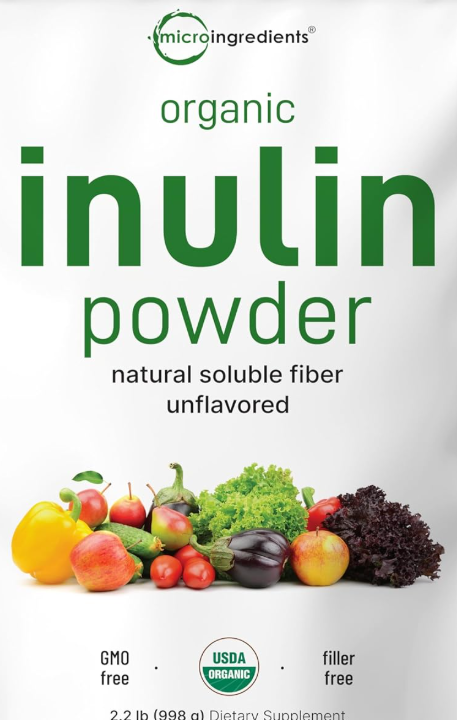
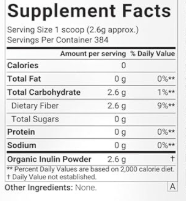
Inulin
Micro Ingredients Organic Inulin FOS Fiber Powder | Quick Water-Soluble Prebiotic | Vegan
Psyllium husk
“Processed Food vs. Real Food: Who Are You Really Feeding?” (2 minutes) The health of your gut depends on what you feed it. Different types of fiber support different good bacteria, helping your microbiome stay balanced and strong. Processed foods only feed the sugar-loving bacteria that throw your system off track. Real, colorful foods (like vegetables rich in fiber and antioxidants) feed the bacteria that help your gut thrive. When you eat for your microbiome, you’re nourishing both your body and the community within it.
Video from Dr. Pradip Jamnadas, MD about, “I have a gut feeling about this… | The Microbiome, Metabolism and Overall Health” (30 minutes) how I believe the microbiome and metabolism are connected directly to your heart and overall health. These are the driving factors for why the diet and lifestyle changes
Video from Dr. Pradip Jamnadas, MD about, “Eating for Two: Nourishing Yourself and Your Gut Microbiome” (1 hour 13 min.). Many of us don’t realize just how much the food we eat affects our gut microbiome. These tiny organisms play a huge role, and without them, we would not be who we are. We’ll dive into the symbiotic relationship between our bodies and these gut bacteria, highlighting the importance of nurturing them through our dietary choices. Understanding what these microbes are and how they function can guide us in providing the right nutrients for a healthy and diverse microbiome, which is a key step in optimizing our overall health. This video will showcase practical ways to improve your gut health and, by extension, your overall well-being.