Potassium
Women over 50 should aim for an Adequate Intake (AI) of 2,600 mg of potassium daily to support blood pressure management, nerve function, and bone health. A diet rich in fruits and vegetables can easily meet this need, as potassium helps counteract the effects of sodium. Adults should consume less than 2,300 milligrams of sodium per day.
Getting enough potassium helps your muscles, nerves, heart and kidneys function well. On the other hand, having low potassium levels can raise your blood pressure, increase the risk of kidney stones and even pull calcium from your bones.
Potassium decreases the loss of calcium from the body and increases the rate of bone building. Oranges, bananas, potatoes, and many other fruits, vegetables, and beans are all rich sources of potassium. In a study measuring the prevalence of osteoporosis among older Korean adults, it was found that higher dietary potassium levels were associated with decreased risk of osteoporosis.
Potassium is the “Acid-Base Balance” of this entire system. While calcium and magnesium are the building blocks, potassium acts as the “security guard” that prevents your body from dissolving its own bones to maintain the pH of your blood. In the context of breast cancer, potassium is a primary indicator of “cellular health” and metabolic efficiency.
1. The “Bone-Saving” Buffer
Your blood pH must stay in a very tight, slightly alkaline range. If your diet is too “acidic” (high in animal proteins, processed salts, or refined grains), your body has to neutralize that acid.
- The Calcium “Sacrifice”: The easiest way for the body to neutralize acid is to leach calcium (which is alkaline) out of your bones. This is a major cause of osteoporosis that has nothing to do with calcium intake.
- Potassium as the Alternative: When you have high levels of Potassium Citrate and Potassium Bicarbonate (from fruits and vegetables), your body uses those to neutralize the acid instead. Potassium “saves” your calcium so it can stay in the bone matrix.
- Kidney Conservation: High potassium levels signal the kidneys to reabsorb calcium rather than excreting it in the urine. This is the “Calcium-Potassium Seesaw.”
2. Potassium & Breast Cancer: The Sodium Balance
The health of a cell is often determined by the Sodium-Potassium Pump.
- The “Intracellular” Guard: Healthy cells have high potassium and low sodium inside them. Cancer cells often show the opposite—they “leak” potassium and hold onto sodium.
- Insulin Connection: Potassium is required for the pancreas to release insulin properly. As we’ve discussed, insulin sensitivity is vital for breast health. Low potassium can lead to “sugar spikes,” which increase IGF-1 and fuel breast cancer growth.
- Antioxidant Delivery: Potassium helps regulate the electrical charge of cell membranes, ensuring that antioxidants and nutrients can actually enter the breast cells to protect the DNA.
Top “Bone & Breast” Potassium Sources
If avoiding meat and dairy, you are already at an advantage, as the best sources of potassium are plants.
Here are some examples of good potassium sources:
- Banana – ~400mg – Prebiotic fiber for the Estrobolome.
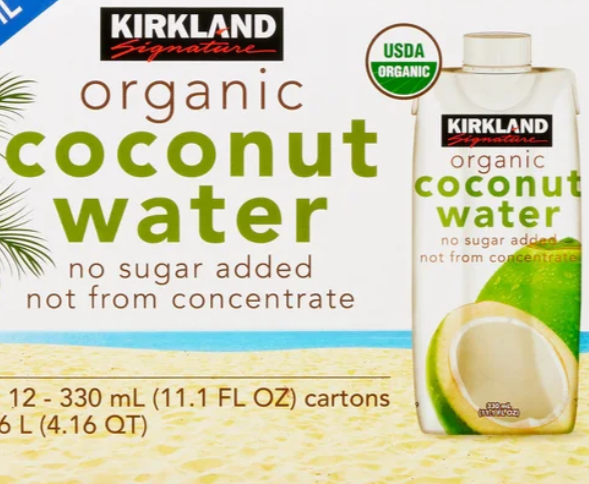
- Coconut water – 400 – 600 mg 8 oz – high potassium content and natural electrolytes.
Leafy greens
It’s easy to add leafy greens to just about any entree, from frittatas and omelets to salads, soups, casseroles and pastas. High in Vitamin K for bone “locking.” One cup of the following types of cooked leafy greens packs a wallop of potassium:
- Beet greens: 1,309 mg
- Swiss chard: 961 mg
- Spinach: 839 mg
- Kohlrabi: 561 mg
- Broccoli rabe: 550 mg
Beans are a great choice for getting your fill of potassium, along with fiber and other nutrients; and high protein for bone “scaffolding”. They’re great in soups, stews, and rice dishes to help stay full. The amount varies depending on the type of bean eaten:
- Lima beans (1 cup, cooked): 969 mg
- Adzuki (red) beans (1/2 cup, cooked): 612 mg
- White beans (1/2 cup, cooked): 502 mg
- Kidney beans (1/2 cup, cooked): 359 mg
- Navy beans (1/2 cup, cooked): 354 mg
- Great Northern beans (1/2 cup, cooked): 346 mg
- Lentils (1/2 cup, cooked): 366 mg
Potatoes are good sources of potassium, as long as their nutrient-rich skins are intact. They lower the “acid load” of the whole meal.
- Skin-on baked potato (medium): more than 900 mg
- Sweet potato: more than 500 mg.
Soy and soy-based products have potassium, too, though again, the amounts vary depending on what is eaten (or drank).
- Edamame (1/2 cup): 338 mg
- Soybeans (1/2 cup): 443 mg.
- Tofu – raw, firm with calcium sulfate (1/2 cup): 299 mg
- Soy milk (1/2 cup): 146 mg.
Squash is a low-carb, high-fiber food that’s high in vitamin C and other nutrients.
- Acorn squash (1/2 cup, cooked): 896 mg
- Butternut squash (1/2 cup, cooked): 582 mg
- Winter squash (1/2 cup, cooked): 494 mg
- Pumpkin (1 cup, canned): 505 mg
Portobello mushrooms – this popular form of fungus contains protein and fiber, making it a go-to vegan/vegetarian substitute for burgers. It’s also packed with potassium, with one cup of cooked portobello mushrooms having 529 mg of potassium.
Avocados – Half an avocado contains about 364 mg of potassium. Along with healthy fats to absorb D3 and K2. There are lots of fairly easy ways to work avocados into your diet, like throwing a few slices on a salad, taco, or omelet or adding them to a smoothie
The “Potassium-Lock” Protocol
1. The “Alkaline Edge”
Try to ensure that 70% of your plate consists of potassium-rich vegetables. This creates an “alkaline reserve” that protects your bones from being used as a pH buffer.
2. The “Salt Swap”
Excess sodium causes you to lose potassium and calcium in your urine.
- Action: Reduce refined table salt and use “Potassium Salt” (salt substitutes) or simply use spices like turmeric, garlic, and ginger to flavor food.
3. Smoothies for Density
Because potassium is water-soluble, it can be lost during boiling. Steaming or eating raw greens/fruits in a smoothie ensures you get the full dose.
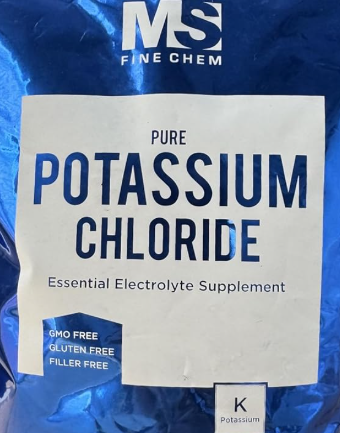
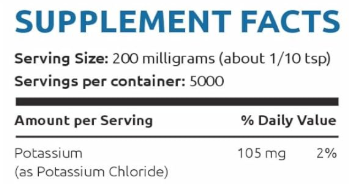
These are the supplement brands I use as an example:
Organic Coconut Water – 8oz = 410 mg potassium & calcium 30 mg
Potassium Chloride Powder, | Salt Substitute & Essential Hydration Electrolyte Supplement |Supports Mineral Balance, Heart, Joint, and Immune Health