For women over 50, a daily intake of 800–2,000 IU of Vitamin D3 and 100–200 mcg of Vitamin K2 (preferably MK-7) is recommended to support bone density and cardiovascular health. This combination acts synergistically, with D3 enhancing calcium absorption and K2 directing it to bones rather than arteries.
In the world of “calcium locking,” Vitamin D3 and Vitamin K2 are the ultimate partners. If Vitamin D is the worker who brings the bricks (calcium) to the construction site, Vitamin K2 is the foreman who tells the worker where to put them. Without this partnership, calcium becomes a “wandering mineral” that causes harm rather than health.
Vitamin D - Aids immune system; aids bone formation.
Difference in Vitamin D and Vitamin D3
Difference in Vitamin K and Vitamin K2
Vitamin K
Vitamin K is thought to stimulate bone formation. It is found most abundantly in dark leafy greens like kale and spinach, but is also readily available in beans, soy products, and some fruits and vegetables. In a study that assessed the diet of the Nurses’ Health Study cohort, it was found that low intakes of vitamin K may increase the risk of hip fracture in women.
Vitamin K2: Natto (fermented soy—the highest source), Egg Yolks, and Sauerkraut.
Video from Dr. Pradip Jamnadas, MD about, “Vitamin K2: The Surprising Benefits From Your Heart to Your Bones” I go into detail it’s amazing benefits, what foods have Vitamin K2, and how Vitamin D is linked to vitamin K2 as well.
The “Mushroom Hack” – Mushrooms contain ergosterol, which turns into Vitamin D when exposed to UV light—much like human skin. Action: Buy store-bought mushrooms (Shiitake, Portobello, or Button), slice them, and place them gill-side up in direct sunlight for 15–30 minutes before cooking. This can increase their Vitamin D content by over 400%.
1. The Partnership: Directing the Traffic
The relationship between these two is critical for preventing the “calcification” of soft tissues while strengthening the “mineralization” of bone.
- Vitamin D3 (The Recruiter): D3 increases the absorption of calcium from the intestines into the bloodstream. However, it doesn’t control where that calcium goes.
- Vitamin K2 (The Traffic Cop): K2 activates a protein called Osteocalcin, which physically “grabs” the calcium from the blood and anchors it into the bone matrix.
- The Danger of D3 alone: If you take high doses of Vitamin D without K2, you may absorb plenty of calcium, but it can end up in your arteries (causing heart disease) or your breast tissue (causing micro-calcifications), rather than your bones.
2. Impact on Breast Cancer
Both D3 and K2 have independent and synergistic roles in protecting breast tissue.
- Vitamin D3 and the “VDR”: Most breast cells have a Vitamin D Receptor (VDR). When D3 binds to it, it acts as a “stop sign” for cancer cells, inhibiting their ability to multiply and encouraging apoptosis (programmed cell death of “bad” cells).
- Vitamin K2 and “Gas6”: K2 helps regulate a protein called Gas6, which is involved in cell growth and survival. Emerging research suggests K2 may inhibit the signaling pathways that allow breast cancer cells to become invasive.
- The Synergy: Together, they reduce the chronic inflammation that often precedes the development of hormone-driven cancers.
3. Impact on Bone Health: Beyond the Scan
Bone health isn’t just about density (how much calcium); it’s about quality (how the calcium is arranged).
- The Matrix: Vitamin K2 is essential for the production of collagen and matrix GLA protein. This gives bones “tensile strength.”
- The Result: A bone rich in D3 and K2 is like reinforced concrete—the calcium provides the hardness (the concrete), and the K2-activated proteins provide the rebar (the flexibility). This is why K2 is often more effective at preventing fractures than calcium supplements alone.
The “Lock-In” Strategy: D3 + K2 (MK-7)
Since we are following a dairy-free and meat-free path, getting these nutrients requires specific focus:
Vitamin D3 (The Sun/Lichen Source)
- Dosage: Most practitioners recommend maintaining blood levels between 40–60 ng/mL.
- Vegan Source: Look for D3 from Lichen (instead of D2, which is less potent).
Vitamin K2 (The Fermentation Source)
- Forms: Look for the MK-7 form of K2. It stays in your bloodstream longer than the MK-4 form.
- Vegan Foods: Natto (fermented soy) is the undisputed king of K2. If you don’t like the taste, Sauerkraut and Kimchi provide smaller amounts.
- The Fat Rule: Both D and K are fat-soluble. They must be eaten with a healthy fat (like avocado, nuts, or olive oil) or they will pass straight through without being absorbed.
A “D3 + K2” Focused Meal Pairing
- The Meal: A “Mineral Bowl” with sautéed Bok Choy, Tempeh (K2), and Mushrooms (D2/D3) cooked in Extra Virgin Olive Oil.
- The Topping: A tablespoon of Kimchi or Sauerkraut.
- The Result: provide the calcium (Bok Choy), the builders (D and K2), and the fat needed to absorb them all.
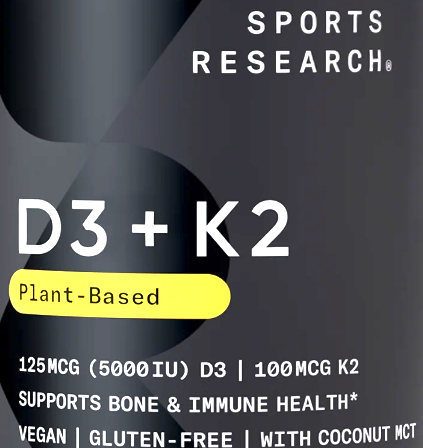
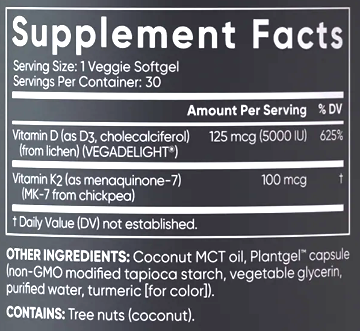
This is the supplement brand I use as an example (Vegan):
Sports Research – Vitamin D3 + K2
62.5 MCG (2500 IU) D3 / 100 MCG K2 / Plantgel Capsules