is generically known as cobalamin. It exists in several forms, most notably cyanocobalamin (synthetic, common in supplements), methylcobalamin (naturally active), hydroxocobalamin (often used for injections), and adenosylcobalamin. These compounds are crucial for nerve health, DNA synthesis, and red blood cell production
Key Forms and Names:
Cobalamin: The umbrella term for all vitamin B12 compounds.
Cyanocobalamin: The most common form used in supplements and fortified foods, which the body converts into active forms.
Methylcobalamin & Adenosylcobalamin: The active coenzyme forms used by the body, often found in supplements designed for faster absorption or higher bioavailability.
Hydroxocobalamin: A form often used in medical settings, particularly for injections, as it remains in the body longer.
Vitamin B12 is essential for metabolic processes, the nervous system, and brain health
Vitamin B12
Women over 50 should aim for a daily intake of 2.4 micrograms of Vitamin B12 to support cognitive function, energy, and nerve health, as recommended by the National Institutes of Health and National Institute on Aging (.gov). Because absorption declines with age, it is highly recommended to obtain this via fortified foods or supplements, rather than relying solely on natural, food-based, animal-derived sources.
Vitamin B12 is often discussed as the “energy vitamin,” but for someone on a meat-free and dairy-free journey, it is actually a critical DNA-regulator. Without it, the risk a “metabolic logjam” that weakens bones and leaves breast tissue vulnerable.
This essential nutrient is not made by animals or plants. B12 is made by microbes, bacteria that blanket the earth. These bacteria are common in the gastrointestinal tract of animals, and so animal foods can be sources of B12. Few plants actually contain vitamin B12: two varieties of edible algae, some varieties of mushrooms, plants grown in experimental settings with B12-enriched soils or water, and some foods made with certain fermentation processes have small amounts of active B12.
1. The “Homocysteine” Bone Trap
- Vitamin B12 is the primary cleaner of a compound called Homocysteine.
- The Bone Connection: When B12 is low, Homocysteine levels rise. High Homocysteine interferes with the “cross-linking” of collagen in your bones.
- The Result: Even if the bones are full of calcium, they lose their “rebar.” This makes the bone architecture unstable and significantly increases the risk of fractures, specifically in the hip.
2. B12 & Breast Cancer: The “Methylation” Shield
B12 is a key player in a process called DNA Methylation. This is how your body “silences” bad genes.
- Tumor Suppression: Proper methylation helps “turn off” cancer-promoting genes (oncogenes). If B12 is deficient, the DNA in your breast tissue can become “unstable,” leading to mutations.
- The Folate Partner: B12 works in tandem with Folate (found in your leafy greens). If you have plenty of Folate but no B12, the Folate gets “trapped” and cannot protect your cells. This balance is vital for preventing the initiation of breast cancer cells.
3. The “Vegan Gap” and Bone Density
Because B12 is produced by bacteria and found primarily in animal products, those on a plant-based diet must be intentional.
- The Study: Research shows that vegans with low B12 have lower bone mineral density than those with adequate B12.
- The Solution: It is not enough to rely on “fortified foods” (like nutritional yeast or plant milks) as the absorption rate is often too low to protect bone collagen.
The “B12-Lock” Protocol
1. Supplementation is Non-Negotiable
If avoiding meat and dairy, a high-quality supplement is the best insurance policy for bone and breast health.
- The Form: Look for Methylcobalamin (the “active” form) rather than Cyanocobalamin. It is better used by the liver and nervous system.
- The Method: Sublingual (under the tongue) or liquid drops are often better absorbed than pills, as B12 absorption depends heavily on “Intrinsic Factor” in the stomach.
2. The “Gut-B12” Link
A healthy gut lining is required to absorb B12. Chronic stress or “leaky gut” can prevent you from absorbing the B12 you take. This is why the 4-7-8 Breathwork and Probiotics are part of the B12 strategy.
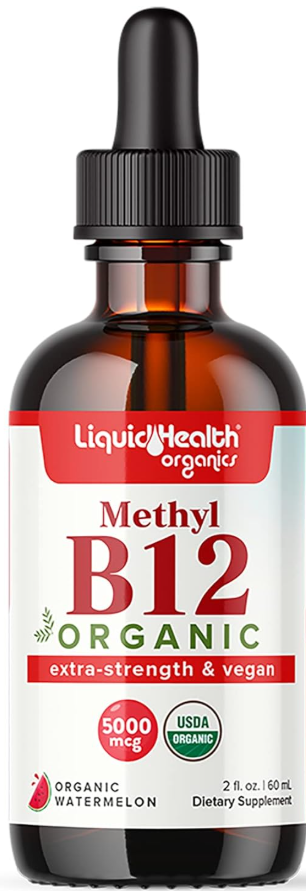
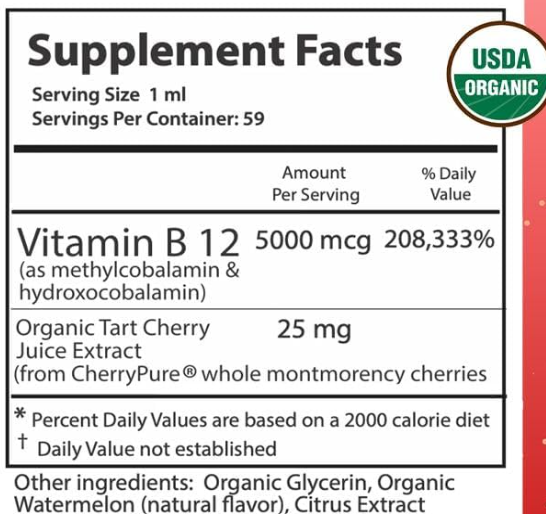
This is the supplement brand I use as an example (Vegan):
Organic Vitamin B12 Liquid – Sublingual 5000 mcg Methylcobalamin Drops, Vegan
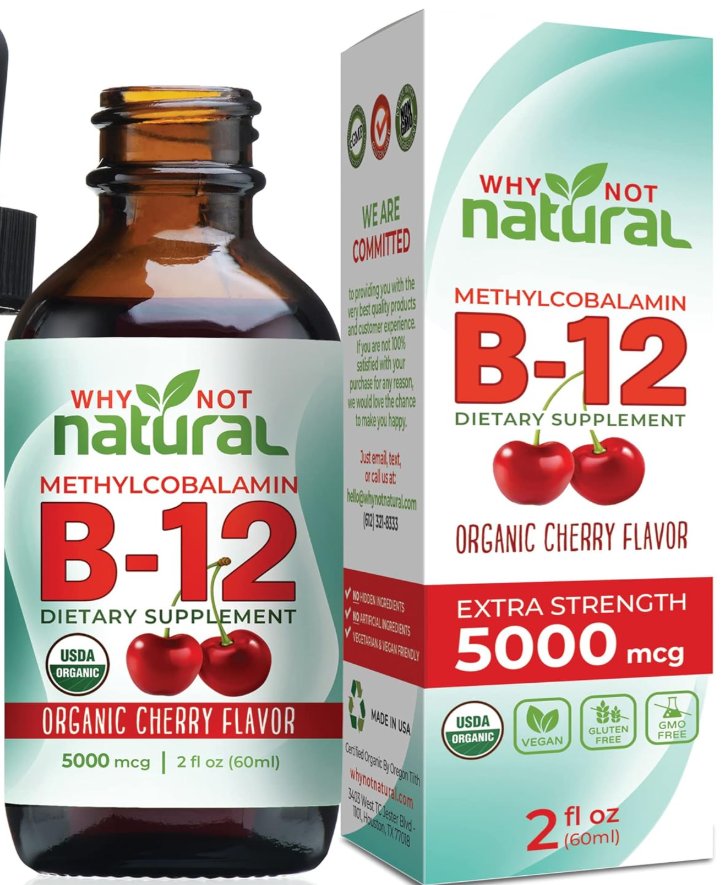
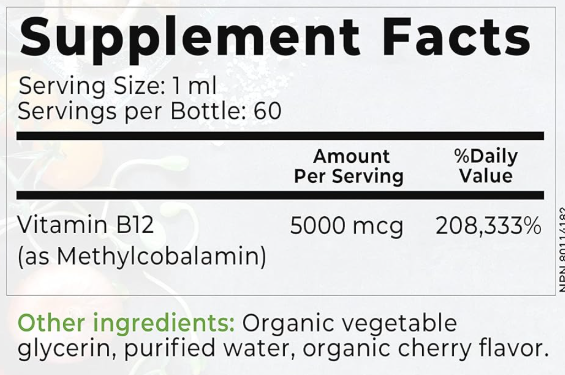
Organic Methyl Vitamin B12 5000 mcg Methylcobalamin Liquid Drops with Tart Cherry Juice