Probiotic
Probiotics for women over 50 are highly beneficial for managing menopause-related changes, strengthening immune function, improving digestion, and enhancing bone health. Key strains include Lactobacillus (rhamnosus, reuteri, casei) and Bifidobacterium, with daily doses of 1 to 10 billion+ CFUs recommended for optimal gut and vaginal health.
This brings us back to the “Gut-Bone-Breast Axis” with a practical focus. While fiber is the fuel for your gut, probiotics are the engineers. In the medical world, we are now seeing the rise of “Osteomicrobiomics”—the study of how specific bacteria regulate bone density—and the continued research into how the Estrobolome (the gut’s estrogen-regulating bacteria) prevents breast cancer.
1. The “Bone-Protective” Strains
Certain probiotics act as a “biological shield” against the bone loss typically triggered by stress or menopause.
- Lactobacillus reuteri: This is the most researched strain for bone health. Clinical trials have shown that it can halve the rate of bone loss in older women. It works by reducing the “leaky gut” inflammation that tells the body to dissolve bone.
- Lactobacillus helveticus: This strain helps increase the bioavailability of minerals. It breaks down the “anti-nutrients” in plants (like phytic acid) that sometimes prevent them from absorbing the calcium in the beans and grains.
- Short-Chain Fatty Acid (SCFA) Production: Probiotics like Bifidobacterium produce butyrate, which travels to the bone marrow and signals the osteoblasts (builders) to stay active.
2. The Estrobolome & Breast Cancer
As we’ve discussed, your gut decides if estrogen is “flushed” or “recycled.” Probiotics are the key to making sure the “flush” happens.
- Beta-Glucuronidase Regulation: Certain “bad” bacteria produce an enzyme that “unpacks” estrogen, sending it back into your blood. Probiotics (like Lactobacillus acidophilus) help keep these levels low.
- The “Lignans” Factor: Probiotics are required to convert the flaxseeds eaten into “enterolactone,” a compound that has been shown to reduce breast cancer risk by blocking the more aggressive forms of estrogen.
How to Get Your “Bone & Breast” Probiotics
Following a dairy-free path, you want to focus on fermented plants and targeted supplements.
1. The “Daily Three” Ferments
- Natto: (The King) Not only provides probiotics but is the primary source of Vitamin K2 to “lock” the calcium.
- Sauerkraut / Kimchi: (Raw/Unpasteurized) Provides Lactobacillus strains and the fiber needed to keep them alive.
- Miso: A vegan staple that supports the gut lining and has been linked to lower breast cancer rates in Japanese studies.
2. Targeted Supplementation
If you choose a supplement, look for these “bone-specific” features:
- Strains: L. reuteri (ATCC PTA 6475), L. rhamnosus, and Bifidobacterium longum.
- CFU Count: You don’t need the highest number; 5 to 20 billion is usually sufficient if the strains are high-quality.
- Prebiotic Pairing: Always take the probiotic with “prebiotic” fiber (like a banana, onion, or garlic) so the bacteria have something to eat.
The “Probiotic-Lock” Routine
To maximize the “Gut-Bone-Breast” connection, follow this sequence:
- Evening Ferment: Eat a small serving of sauerkraut or kimchi with dinner.
- The “Safety” Signal: The probiotics will work overnight to strengthen your gut lining.
- The Morning Flush: The fiber from your breakfast (oats/chia) will then help carry the “deactivated” estrogen out of your system, keeping your breast tissue safe.
Here’s a look at which foods have probiotics:
- Yogurt – fermented dairy product
- Sauerkraut – finely shredded and fermented cabbage
- Kimchi – mixture of fermented cabbage and other vegetables (and sometimes seafood)
- Kefir – type of fermented milk
- Tempeh – a fermented soy product
- Miso – seasoning is made with fermented soybeans, salt and koji
- Kombucha – a fermented black or green tea
- Other fermented vegetables – if they’re pickled in a vinegar solution, they don’t contain probiotics. Choose vegetables that have been fermented with salt and lactic acid bacteria – Pickles,Pickled beets, Pickled carrots, Pickled radishes
Other foods with probiotics – While the amount of probiotics in these foods may not be as high as yogurt or sauerkraut, it’s worth mentioning that they do contain some kind of probiotics:
- Sourdough bread
- Jackfruit
- Coconut milk
- Buttermilk
- Natto (a fermented soybean product)
- Cheeses like cheddar, mozzarella and gouda
- Cottage cheese
- Sour cream
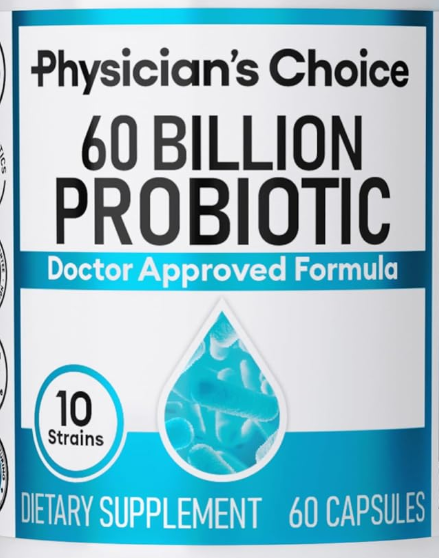
This is the supplement brand I use as an example (Vegan): Might not be the best choice for your needs.
Physician’s CHOICE Probiotics 60 Billion CFU – 10 Strains + Organic Prebiotics – Immune, Digestive & Gut Health – Supports Occasional Constipation, Diarrhea, Gas & Bloating