Omega 3
For women over 50, a daily intake of 250–500 mg of combined EPA and DHA omega-3 fatty acids is recommended to support heart, brain, and joint health. Consuming two servings of fatty fish (like salmon, mackerel, or sardines) weekly provides the optimal 1,000–3,000 mg daily range needed to reduce inflammation and manage cardiovascular risk.
Omega-3s are essential components of cell membrane structure.
Essential Fatty Acids: Omega-3s (ALA, EPA, DHA) are polyunsaturated fats, falling under the macronutrient category, specifically required for structural and functional roles in the body.
Omega-3 fatty acids are readily available in a wide variety of plant foods. Sources include walnuts, flaxseed, chia seeds, hemp seeds, edamame, seaweed, and algae. Other green leafy vegetables and beans also contain small amounts. Women following vegan diets actually had significantly more long-chain omega-3 fats in their blood, compared with fish eaters, meat eaters, and ovo-lacto-vegetarians, according to findings from the European Prospective Investigation into Cancer and Nutrition (EPIC) Study.
Another benefit plant-based eaters may have is a more desirable ratio of omega-6 to omega-3 fatty acids compared with a Standard American Diet. Omega-6 fatty acids are known as the pro-inflammatory fats, whereas omega-3 fatty acids are known as the anti-inflammatory fats. The desired ratio of omega-6 to omega-3 is 4:1; however, most Americans are consuming a ratio of 20:1, which can lead to excess inflammation in the body. The Standard American Diet consists of excessive amounts of foods rich in omega-6 fatty acids, such as processed and fast foods, and foods containing safflower oil, sunflower oil, corn oil, and soybean oil. Therefore, people eating diets rich in whole, plant-based foods may have a more adequate ratio of omega-6 to omega-3.
Omega-3 fatty acids are the “anti-inflammatory architects” of this system. While calcium provides the hardness and protein provides the scaffolding, Omega-3s ensure the environment is “quiet” enough for construction to happen. For someone avoiding fish and meat, getting the right type of Omega-3 is the difference between success and a “calcium leak.”
1. The Bone-Building “Brake”
Inflammation is the “on switch” for osteoclasts (the cells that dissolve bone). Omega-3s act as a powerful “brake” on this process.
- Reducing “Acid Leaching”: Chronic inflammation creates a slightly acidic environment in the local bone tissue. Omega-3s (specifically EPA and DHA) produce “Resolvins”—compounds that actively turn off inflammation, allowing the bone to stay alkaline and retain calcium.
- The Absorption Boost: Omega-3s improve the absorption of calcium in the gut and enhance the effect of Vitamin D.
- Bone Mineralization: Higher blood levels of Omega-3s are consistently linked to higher bone mineral density in the hip and spine, as they help “glue” the minerals into the collagen matrix.
2. The Breast Cancer “Ratio”
In the context of breast cancer, the most important factor isn’t just how much Omega-3 you have, but the Omega-6 to Omega-3 ratio.
- The Competition: Omega-6s (found in seed oils like corn, soy, and sunflower oil) are generally pro-inflammatory. Omega-3s are anti-inflammatory. If the ratio is too high (15:1, common in Western diets), it can promote tumor growth.
- The Protective Guard: A ratio closer to 2:1 or 4:1 is associated with a significantly lower risk of breast cancer.
- Gene Expression: Omega-3s can actually turn off certain “oncogenes” (cancer-promoting genes) in breast tissue and reduce the density of breast tissue, making mammograms clearer and lowering risk.
3. The “Vegan Gap”: ALA vs. EPA/DHA
This is where many plant-based diets fall short.
- ALA (Flax, Chia, Walnuts): This is the plant form of Omega-3.
- The body must convert it into EPA and DHA to help the bones and breasts.
- The Conversion Problem: The human body is notoriously bad at this conversion (often less than 5%).
- The Solution: To get the true bone-building and cancer-protective benefits, you should look to the source where fish get their Omega-3: Algae.
The “Omega-Shield” Protocol
1. The Direct Source (Algal Oil)
- Action: Take a vegan Algal Oil supplement daily.
- Why: This provides pre-formed DHA and EPA, bypassing the conversion struggle. It’s “fish oil” without the fish, the mercury, or the environmental impact.
2. The “Fiber-Fat” Combo (Seeds)
- Action: 2 tablespoons of Ground Flaxseed or Chia Seeds daily.
- Why: These provide ALA, but more importantly, they provide Lignans. Lignans are a type of fiber that specifically helps the Estrobolome flush out excess estrogen, doubling down on your breast cancer protection.
3. Avoid the “Inflammation Spikes”
- Action: Limit high-Omega-6 oils (Soybean, Corn, Cottonseed).
- Swap with: Extra Virgin Olive Oil (Omega-9) or Avocado Oil. These don’t interfere with your Omega-3 “locking” process.
“Final Piece” Integration
Your bone-building “Shield” is now complete. Here is how Omega-3s fit into your 24-hour cycle:
- Morning: Algal Oil supplement with your breakfast (needs fat for absorption).
- Midday: Sprinkle hemp hearts or walnuts on your salad (adds ALA and protein).
- Evening: Flaxseeds in a small amount of vegan yogurt or a smoothie (provides the “Estrogen Flush” fiber for the night shift).
Include at least 1 tablespoon of a plant-rich omega-3 food (ground flaxseed, chia seeds, or hempseeds) daily to meet your omega 3 needs.
This is the supplement brand I use as an example because it is Vegan (other options below):
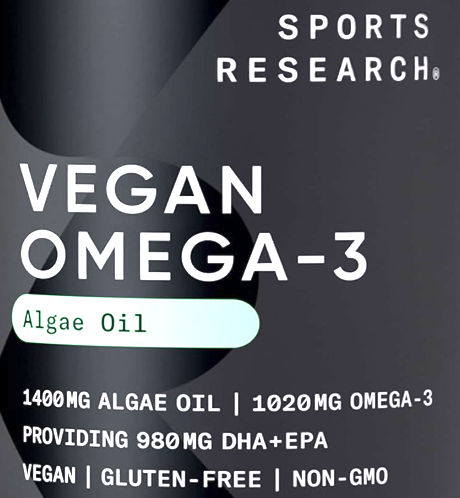
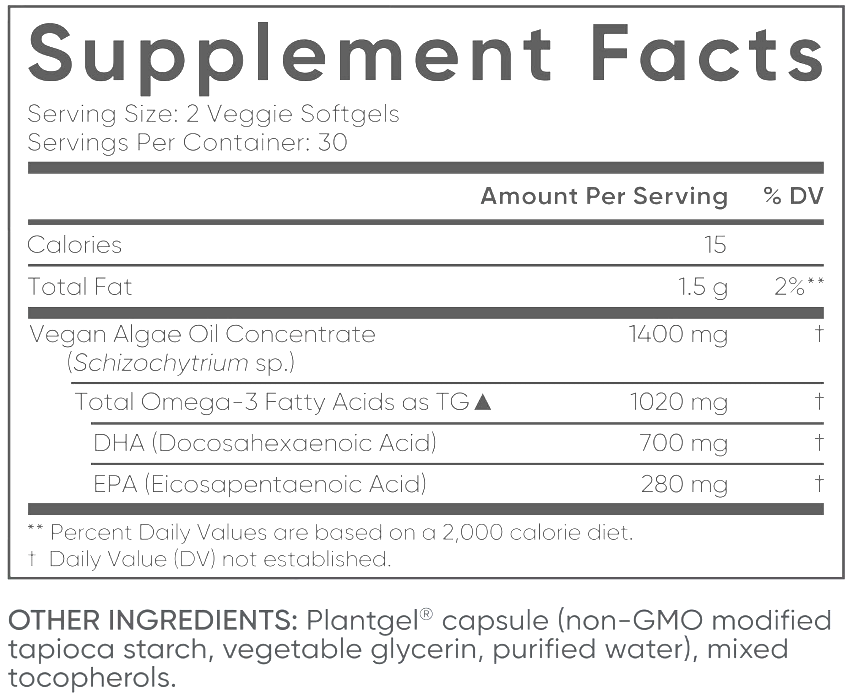
Sports Research – Vegan Omega-3 from Algae Oil
Vegan Omega-3 1000 MG OM3 / 700 MG DHA / EPA 280 MG / Plantgel® 2 Capsules
Sports Research – Omega-3 Fish Oil from Wild Alaska Pollock
770 MG / Softgels


Sports Research – Vegan Omega 3-6-7-9
1200 mg of Total Omegas / 600 mg of Omega-3 Fatty Acids / 2 Softgels

